

 Culture and heritage
Podstenje
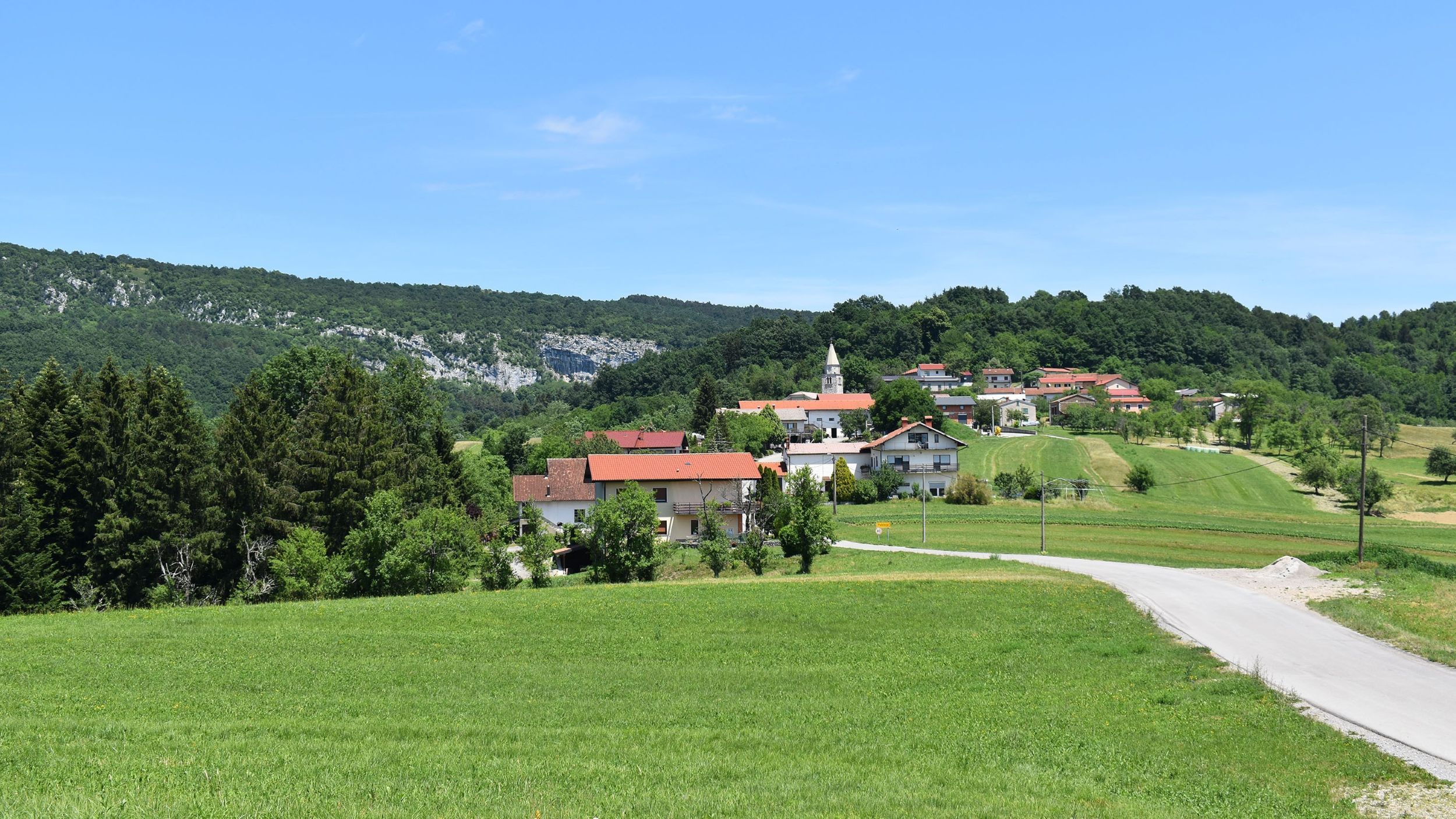
In the municipality of Ilirska Bistrica, north of the town of Ilirska Bistrica, lies the picturesque village of Podstenje. Rising above the village in the background is the impressive rocky overhang known as Podtaborska Stena, also locally called Pod Črmukljo. The remains of the old Podtabor Castle fortification can still be seen in the rock face, a castle also mentioned by J. V. Valvasor.
According to local tradition, Podtabor Castle served as a refuge for the surrounding inhabitants, although it is also possible that it was originally used by the residents of nearby Prem Castle. In the 17th century, it was used as a granary. In the 18th century, the refuge was completely abandoned, and by the following century it had already fallen into ruins.
The rich history is a testimony to the important geographical location of the village. The hillside location allows for successful farming and fruit-growing, and until the Second World War, the locals were also involved in viticulture, selling the harvested grapes to Rijeka and Trieste.
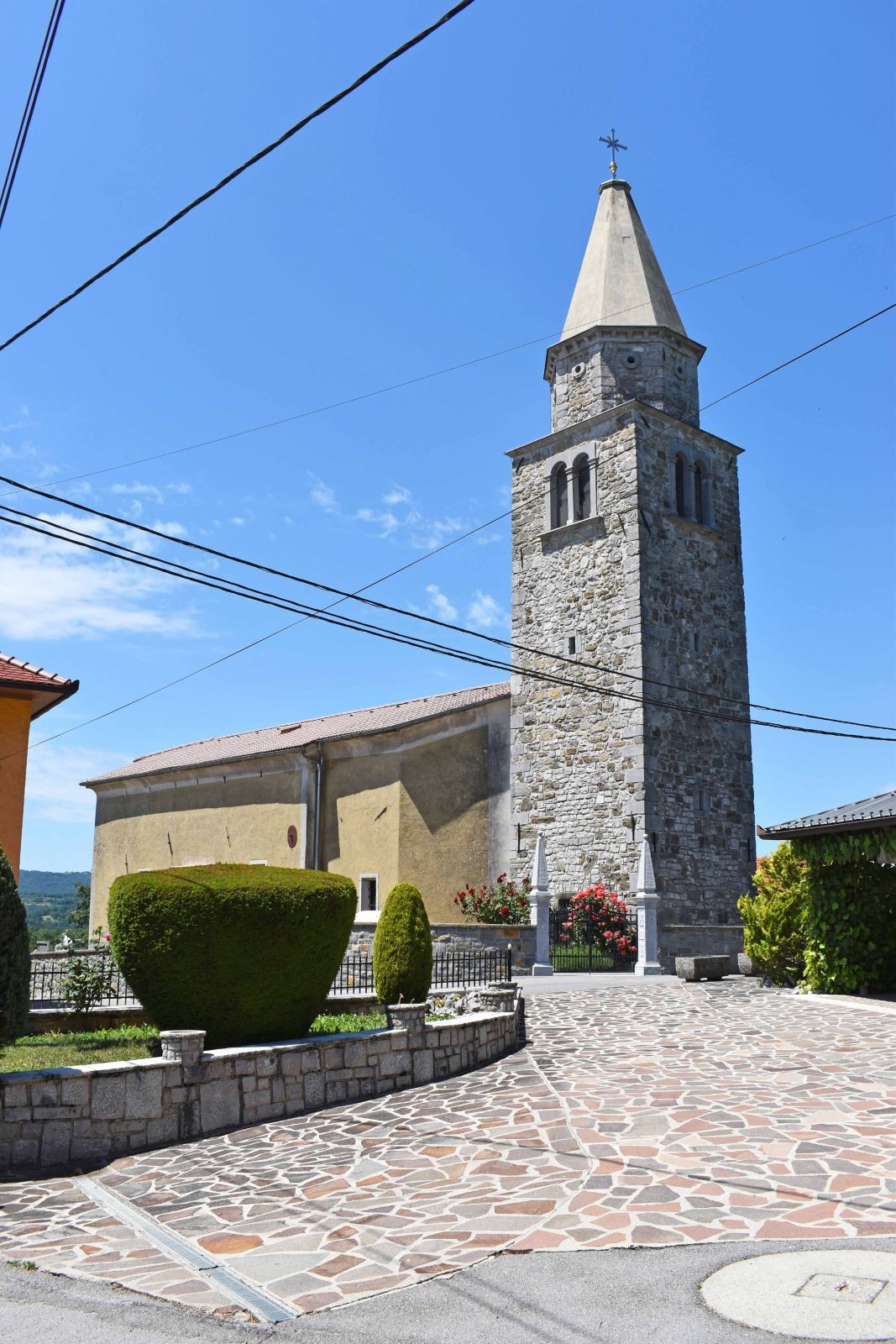
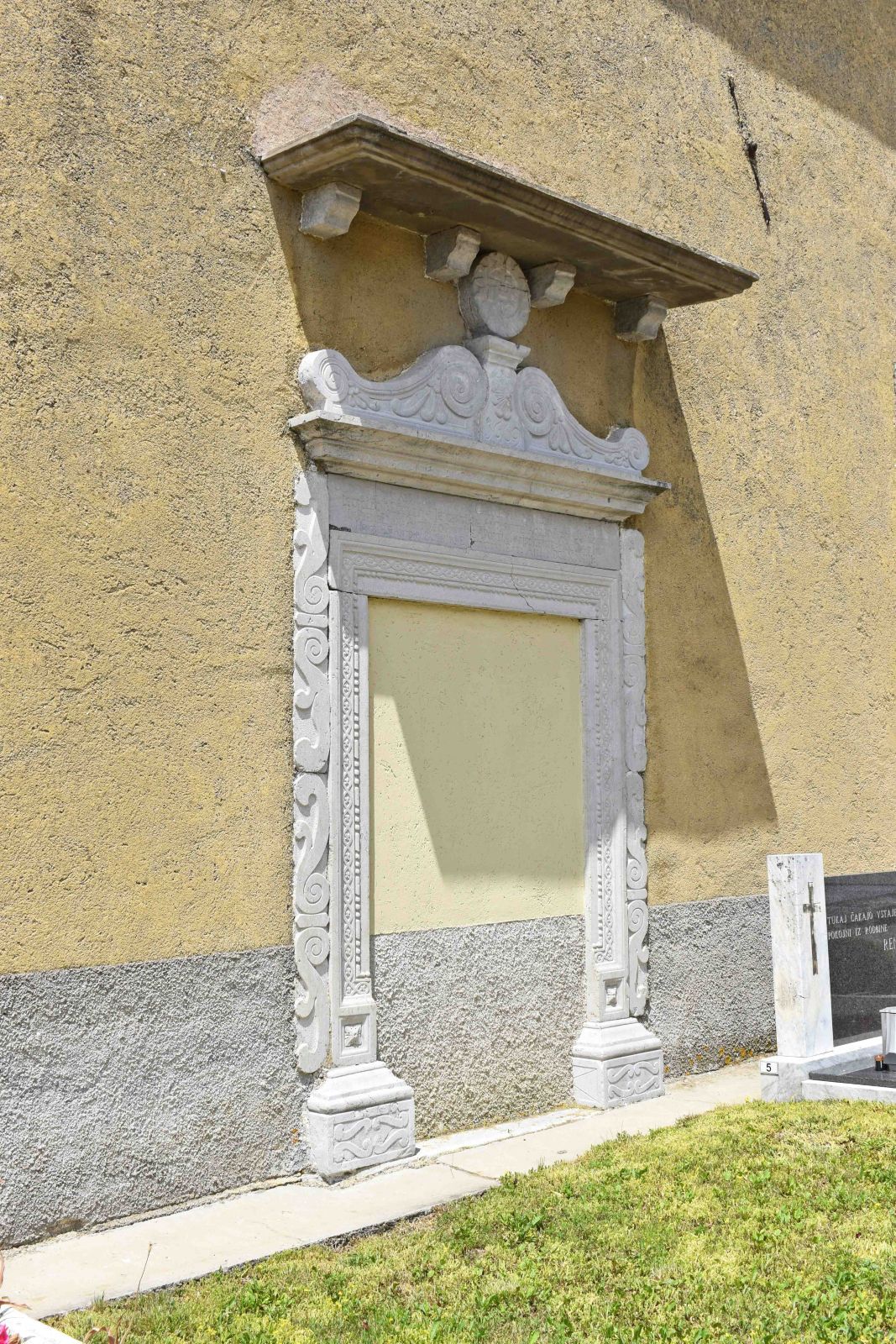
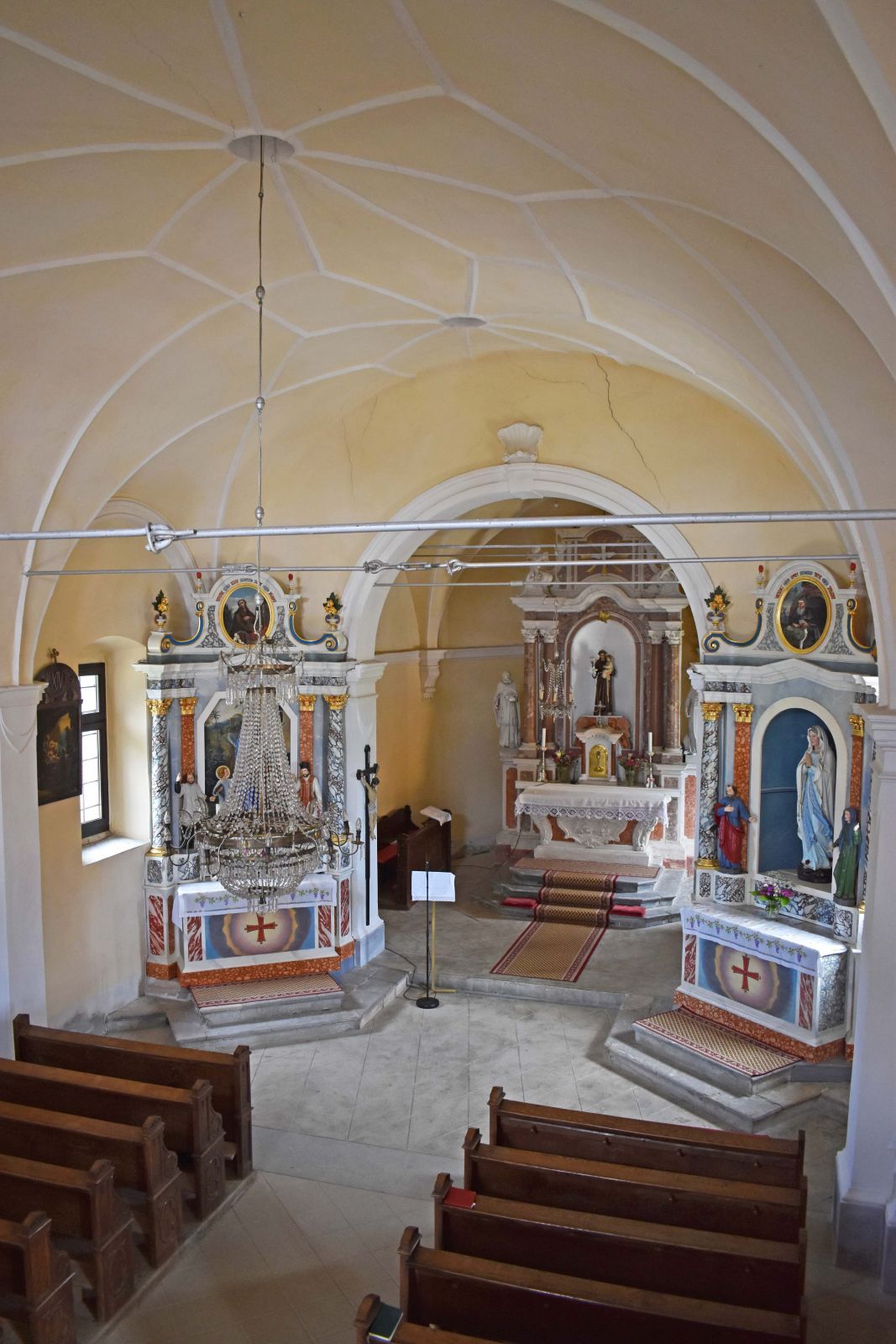
The village’s most prominent landmark is the 17th-century Church of St. Anthony of Padua, next to which stands the former village school. The importance of education in the village is reflected in the school chronicle of the one-class elementary school, which began to be kept in the 1878/79 school year.
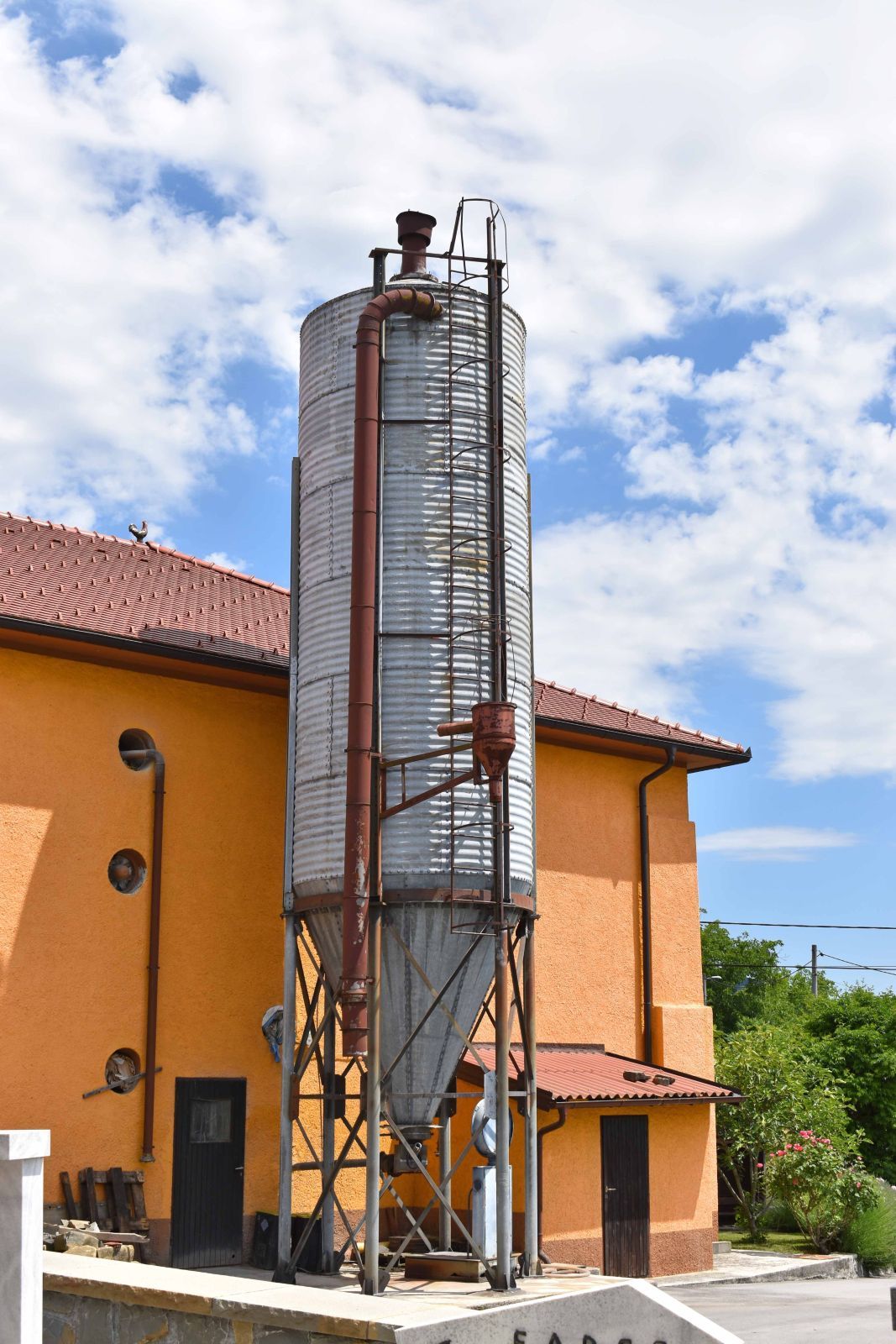
Like many other buildings, the school was burned down during the Second World War. After the war, it was rebuilt as a cooperative hall, which was later sold. Today, the building houses a mill.
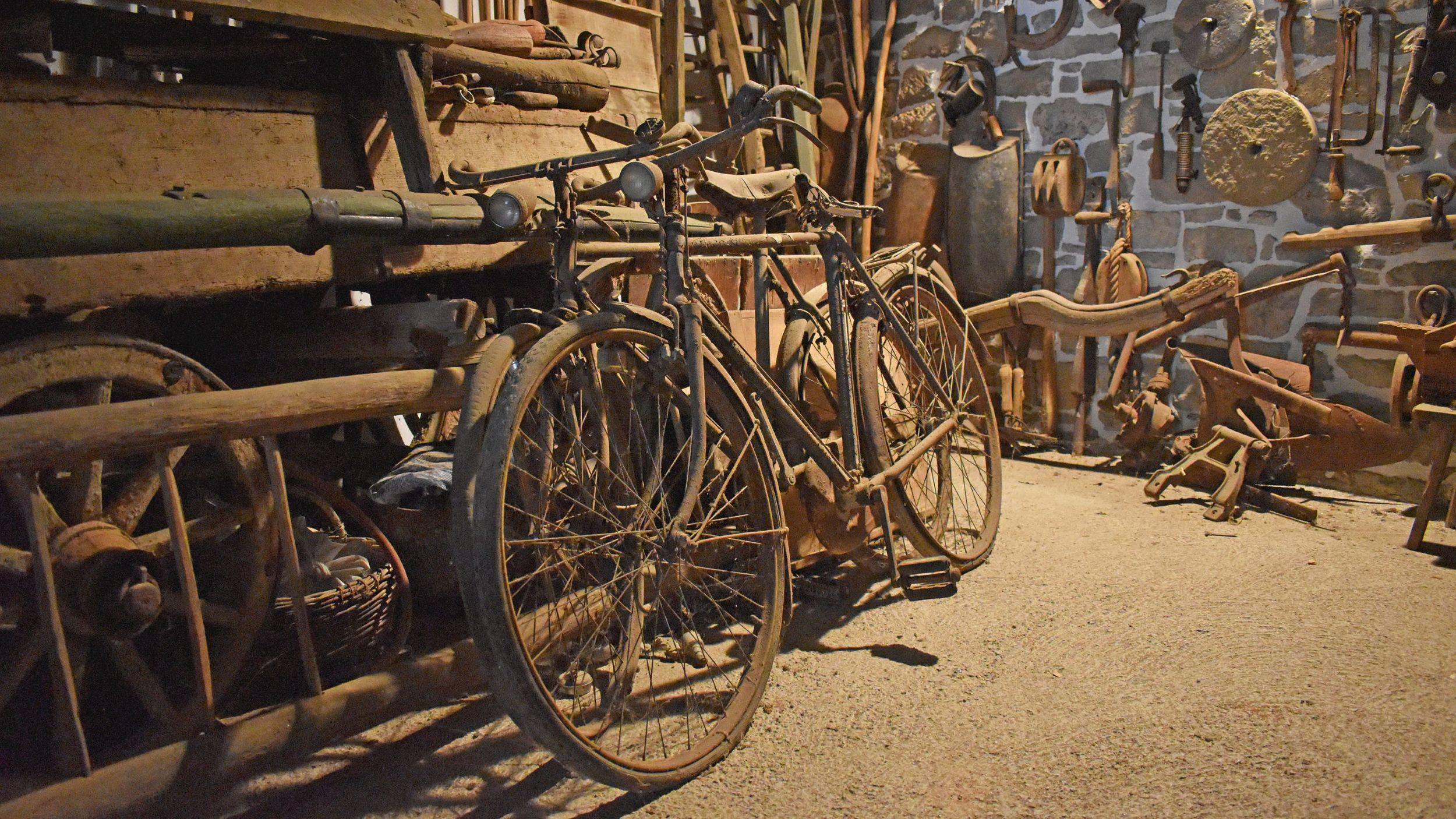
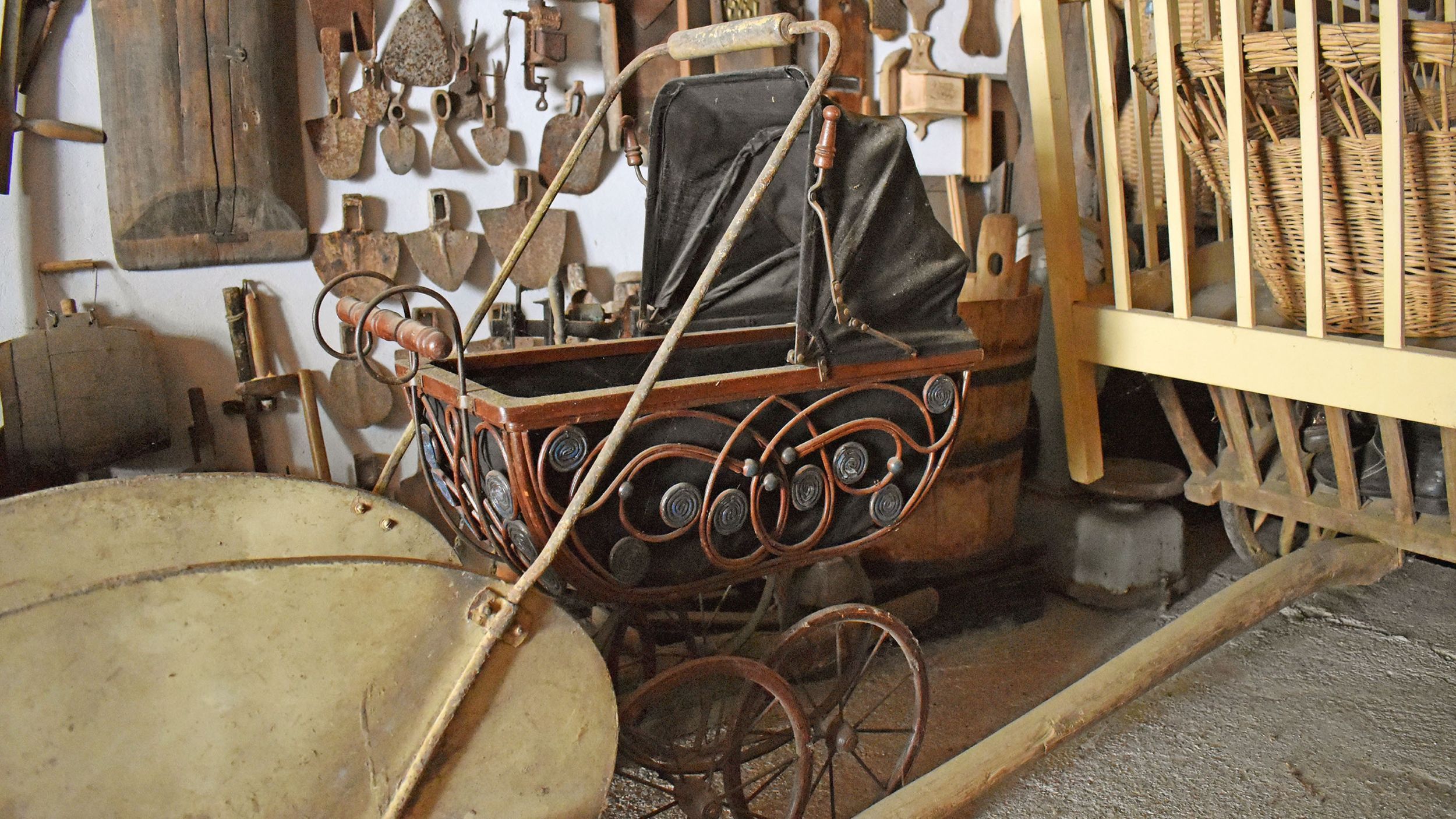
In addition to the architectural renovation of the village, the villagers want to preserve the identity of the place through old customs and traditions. Every year, they celebrate a village festival "shod", held in mid-June, dedicated to the village's ally. On this day, they also hold an auction of pigs' trotters and donate the proceeds to the village's reconstruction. The preservation of cultural heritage is rounded off by a private ethnological collection of farm and handicraft tools used in the wider Brkini region.